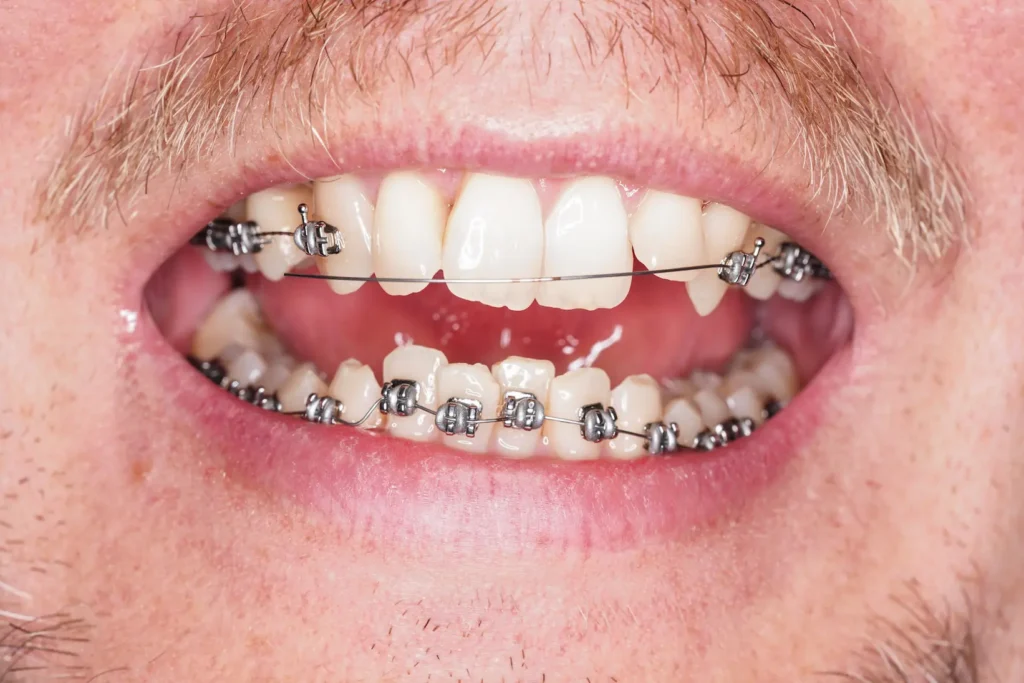
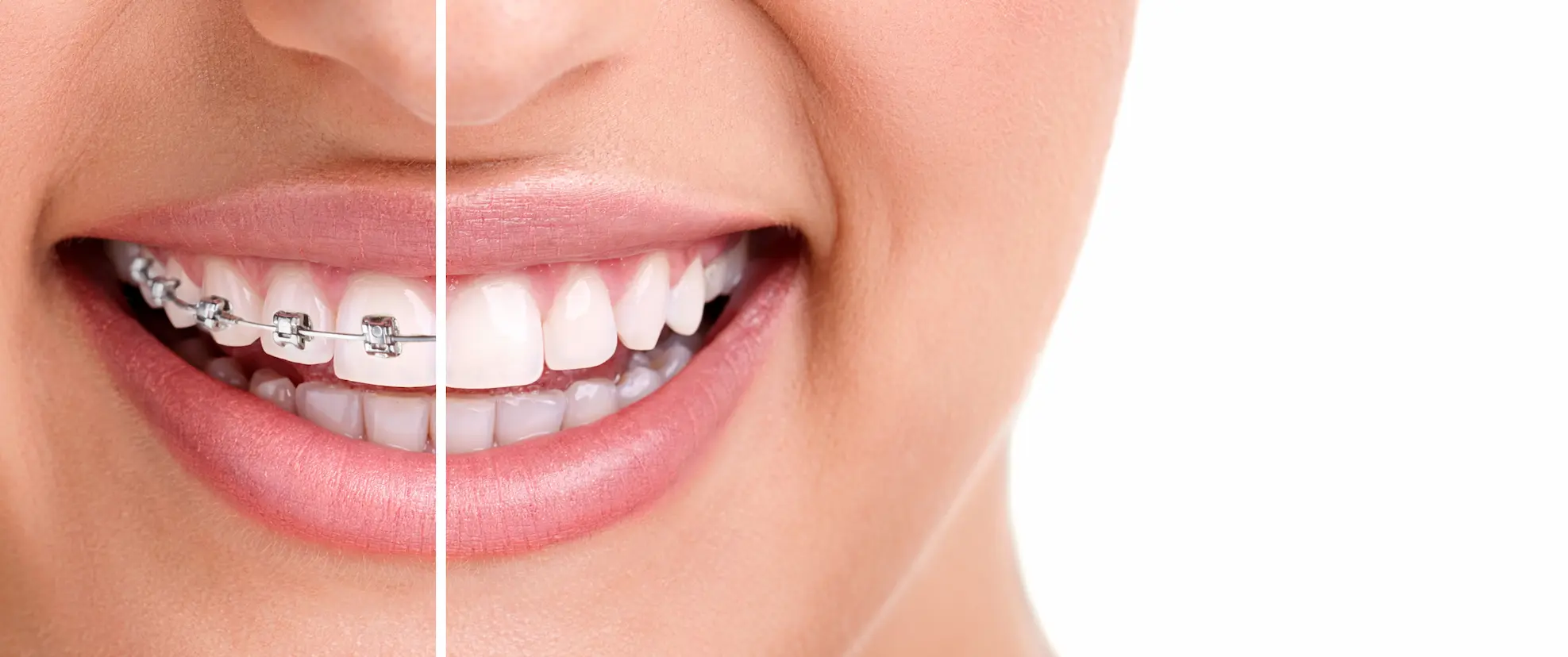
A smile changes more than a photograph. It shifts how people speak, how they laugh, how they carry themselves across a room. In a dental office, that truth shows up in small moments. A patient covers their mouth while talking during the first visit, then forgets to do it after treatment. Someone who has avoided cameras for years suddenly asks to see before and after images side by side. Those are not dramatic movie scenes. They are ordinary, believable changes, and they explain why cosmetic dentistry matters.
When people search for Cosmetic Dentistry Bakersfield CA, they are usually not chasing perfection. Most want something more grounded. They want their teeth to look healthy, even, clean, and natural. They want to stop thinking about a chipped front tooth every time they speak. They want stains that whitening toothpaste never touched to finally fade. They want old dental work that stands out to blend in. Most of all, they want confidence that does not feel forced.
Cosmetic dentistry can help with all of that, but only when it is approached with judgment. The best results rarely come from the most aggressive treatment. They come from planning, restraint, and a clear understanding of what bothers the patient most.
Why smiling more is not just cosmetic
People often use the word "cosmetic" as if it means optional or superficial. In dentistry, that view misses the point. Appearance and function overlap constantly. A small chip on an edge might seem purely aesthetic, but it can change how a tooth wears over time. Crowded teeth can make someone self-conscious, yet they toothworksofbakersfield.com Cosmetic Dentistry Bakersfield CA can also trap plaque in ways that complicate hygiene. Worn enamel may affect appearance first, but it can also signal grinding or bite issues that deserve attention.
There is also the human side. When someone dislikes their smile, they tend to edit themselves. They smile with lips closed. They angle their face away. They avoid social photos, interviews, presentations, and sometimes dating. Children notice teeth early. Adults notice them too, especially in work that involves sales, management, hospitality, law, or healthcare. Smiling more does not solve every confidence issue, but it removes one constant mental distraction.
That is why cosmetic dentistry has real weight. It is not vanity to want to feel relaxed when you speak.
What people in Bakersfield usually want to change
Every community has patterns. In Bakersfield, as in many places with bright sun, busy family schedules, and a mix of professional and hands-on work, patients often ask for practical improvements that show clearly without looking artificial. The most common concerns are stains, worn edges, spacing, minor crowding, older metal fillings or crowns, and teeth that look smaller or uneven because of grinding.
Coffee, tea, red wine, tobacco, and natural aging all affect color. So do medications and enamel thickness. Some people have one dark tooth after old trauma or a root canal. Others have a smile that feels "off" because one lateral incisor is slightly rotated or because the gumline is uneven. These are not always major dental problems, but they can pull attention immediately.
A good cosmetic plan starts by sorting those concerns into categories. Is the issue mostly color, mostly shape, mostly alignment, or a combination? That question matters because treatment options differ widely in cost, time, durability, and how much natural tooth structure they affect.
Whitening is often the simplest first step
Professional whitening remains one of the most effective ways to improve a smile without changing the shape of healthy teeth. It is also one of the most misunderstood. Many patients expect every stain to respond the same way. They do not.
Surface staining from food and drink often improves well. Yellowing from age usually responds better than gray or brown discoloration caused by certain medications or internal changes. Crowns, veneers, and fillings will not whiten, which matters if visible front restorations are already in place. A person can brighten their natural teeth, then suddenly notice that an older filling no longer matches.
That does not mean whitening is not worth doing. It just means it should be planned. In many cases, dentists whiten first, allow the shade to settle, then replace visible restorations if needed. This sequence prevents chasing a color target that keeps changing.
Patients also ask whether over-the-counter products are enough. Sometimes they help, especially for minor maintenance. But professional systems usually offer stronger, more controlled results and better protection for sensitive teeth. The biggest practical advantage is not only potency. It is fit. Custom trays, appropriate timing, and supervision reduce the guesswork that causes uneven results or irritation.
Bonding can fix small flaws with surprising impact
Dental bonding does not get as much attention as veneers, but it deserves more credit. For the right case, bonding can reshape a chipped tooth, close a small gap, soften an irregular edge, or mask minor discoloration in a single visit. It uses tooth-colored composite resin, the same general material family used for many white fillings.
A well-done bonding case looks subtle. That is the goal. A front tooth with a tiny corner missing can draw the eye far more than patients realize. Restoring that corner can make the whole smile look calmer and more balanced. The change is often small in millimeters and large in effect.
Bonding does have trade-offs. It can stain over time. It may chip, especially in people who bite pens, chew ice, or grind heavily. It usually does not last as long as porcelain. But it preserves tooth structure and can be very cost-effective. For younger patients, or for adults who want meaningful improvement without committing to veneers, bonding is often a smart place to start.
Veneers are powerful, but they are not the answer to everything
Porcelain veneers can transform color, shape, proportion, and minor alignment issues with precision that few other treatments match. They are especially useful when several front teeth have multiple concerns at once, such as staining plus wear plus asymmetry. In skilled hands, veneers can look exceptionally natural. The best ones do not announce themselves. They simply make the smile look healthy, bright, and harmonious.
The challenge is that veneers are sometimes discussed too casually. They are not press-on covers, and they should not be treated like a trendy accessory. Depending on the case, veneer preparation may involve removing a small amount of enamel. That decision deserves care because enamel does not grow back. Some patients are excellent veneer candidates. Others would be better served by whitening, orthodontics, bonding, or replacing old restorations.
One common mistake is using veneers to solve alignment problems that should have been corrected orthodontically. Can veneers make crooked teeth look straighter? Yes, within limits. Should they be the first choice for significant crowding or bite problems? Often, no. Moving teeth into better position can create a healthier foundation and reduce the amount of porcelain needed.
When patients consider veneers, they should pay close attention to the dentist's philosophy. Conservative planning matters. So does facial fit. Tooth size, lip movement, age, skin tone, and even speech all influence what will look natural. A smile that is too opaque, too square, or too uniformly white can appear obvious very quickly.
Straight teeth without metal braces changing your whole routine
Clear aligners have changed the cosmetic conversation because many adults who would never wear traditional braces are willing to consider discreet orthodontic treatment. For mild to moderate crowding, spacing, and bite refinement, aligners can be extremely useful. They fit well with adult schedules and appearance concerns, which matters for working professionals, parents, and anyone who spends the day talking to clients or the public.
The cosmetic benefit goes beyond alignment itself. Straightening teeth can improve how light reflects off the smile, make edges look more even, and reduce areas where shadows exaggerate crowding. It can also set up later cosmetic work more conservatively. After alignment, a patient may need only whitening and minor bonding rather than multiple veneers.
Still, aligners require compliance. Patients need to wear them consistently, usually around 20 to 22 hours per day, and attend follow-up visits. They are not magic. If someone wants the least visible option but knows they are unlikely to keep trays in, treatment can stall.
This is where honest consultation matters. Cosmetic dentistry works best when it aligns with real habits, not idealized ones.
Replacing old dental work can make a smile look younger
Many adults are less bothered by natural teeth than by outdated restorations. A dark line around an old crown, a visible silver filling, mismatched front bonding from years ago, or a bulky restoration that catches the light wrong can age a smile quickly. Replacing those materials with well-matched modern restorations can create a dramatic improvement without changing the person's overall look.
This is one of the more satisfying areas of cosmetic dentistry because it often combines aesthetics with better function. Old restorations can leak, fracture, stain, or compromise gum health. Updating them can improve appearance and reduce future repair problems.
The challenge is shade matching. Natural teeth are not one flat color. They have translucency, surface texture, and slight variations from edge to gumline. A dentist who treats cosmetic work seriously will look at those details instead of selecting the brightest shade and hoping for the best.
Gum contour matters more than most people expect
People focus on teeth, but gums frame the smile. If the gumline is uneven, if one tooth looks short while the matching tooth looks long, or if excess gum tissue hides too much enamel, the smile can appear unbalanced no matter how white the teeth are.
In some cases, minor gum contouring can improve proportions significantly. A tooth may not actually be too small. It may simply be partially covered by tissue. Adjusting the gumline in the right situation can make a smile look cleaner and more symmetrical.
This is not appropriate for everyone. Gum shape is tied to bone levels, tooth position, and periodontal health. A rushed cosmetic decision around the gums can create sensitivity or unstable results. When it is done for the right reasons, though, it often provides the finishing touch that makes everything else look better.
Smile design should respect the person, not erase them
There is a difference between enhancing a smile and replacing it with a generic one. Experienced cosmetic dentists know this instinctively. They do not chase sameness. They look for proportion, health, and character.
A twenty-five-year-old patient who wants a brighter, cleaner version of their current smile will usually need something different from a sixty-year-old patient with worn edges and old crowns. Men and women often prefer different contours, though not always. Some people love a very polished Hollywood look. Others want a result their friends notice only as "you look great lately."
The best cosmetic work keeps the person's identity intact. Slight individuality can make a smile more believable and attractive than absolute symmetry. Tiny texture differences, natural translucency at the edge, and proportions that suit the face often matter more than perfect ruler-straight uniformity.
That is why digital previews and mock-ups can be helpful. They open a conversation before irreversible work begins. A patient may think they want larger teeth, then see that only a subtle shape change is needed. Another may realize that alignment matters more than color. These discoveries save money, reduce regret, and lead to better outcomes.
How to choose the right cosmetic dentist in Bakersfield
When evaluating options for Cosmetic Dentistry Bakersfield CA, patients often focus first on price. That is understandable, but it can be shortsighted. Cosmetic dentistry is highly technique-sensitive. Materials matter, but diagnosis matters more. The difference between an average result and an excellent one often comes down to planning, communication, and execution.
A good consultation should feel specific, not sales-driven. The dentist should ask what the patient dislikes, what they hope to improve, how visible they want the change to be, and whether they grind, clench, or have sensitivity. They should examine bite, enamel condition, existing restorations, and gum health before recommending treatment.
A few signs of thoughtful cosmetic care include:
- clear discussion of alternatives, not just one high-ticket option before and after cases that look natural rather than overly uniform attention to bite and function, not only color and shape explanation of maintenance, lifespan, and likely future repairs willingness to stage treatment instead of pushing everything at once
That last point matters more than many patients realize. Sometimes the best plan happens in phases. Whitening may come first, then alignment, then replacement of selected restorations. Staging allows better decision-making and can spread out costs.
Cost, value, and the danger of bargain cosmetic work
Cosmetic dentistry is an investment, and cost varies widely depending on materials, complexity, and how many teeth are involved. Whitening may be relatively accessible. Veneers, crowns, or multi-step alignment cases can be significant expenses. The cheapest quote is not always a bargain if the treatment is excessive, poorly planned, or likely to fail early.
Poor cosmetic work tends to create expensive second rounds. Veneers that are too bulky can inflame gums. Bonding placed without proper isolation can stain or detach. Crowns that look bright but fit poorly can lead to recurrent decay. These are not hypothetical problems. They are common repair stories in many practices.
Value comes from longevity, function, and natural appearance. A restoration that lasts well and looks right for years usually costs less in the long run than repeated patches and replacements.
Patients should also ask about maintenance. Whitening often needs touch-ups. Bonding may need polishing or repair. Aligners require retainers afterward. Veneers and crowns need the same home care as natural teeth, and grinding patients may need a night guard to protect the work.
When cosmetic treatment should wait
Not every patient should start cosmetic treatment immediately. This is one of the most important points any responsible dentist can make. Active gum disease, untreated decay, unstable bite issues, severe grinding, or poor home care can all undermine cosmetic results. Sometimes what looks like a cosmetic complaint is actually a health problem first.
For example, a patient may want veneers because their front teeth look short and uneven. The real issue may be acid erosion from reflux or wear from nighttime grinding. If that pattern is ignored, even beautiful new restorations may chip or wear prematurely. Another patient may want whitening, but heavy plaque and gum inflammation need attention first. The sequence matters.
Delaying cosmetic work is not a rejection. It is often the more protective choice. Strong foundations make cosmetic results last.
The emotional shift is often the biggest benefit
The technical details matter, but the real outcome is usually behavioral. Patients smile more. They stop rehearsing how to hide their teeth. They engage more easily in conversations. They laugh without checking themselves halfway through. Many describe the change as relief rather than excitement.
That reaction makes sense. Dental insecurity is exhausting because it stays present in ordinary moments. You feel it at lunch meetings, family events, school functions, job interviews, and quick phone snapshots. Remove that burden, and people often seem lighter.
One patient might finally fix the chipped edge they have noticed every morning for a decade. Another might whiten and straighten slightly crowded lower front teeth before a career change. Someone else may replace discolored bonding from college and realize they no longer crop themselves out of group photos. These are modest stories, but they are real, and they add up.
Questions worth asking before you commit
A cosmetic consult goes better when the patient arrives with practical questions. Not every office will volunteer the same level of detail, so it helps to ask directly.
Consider covering these points:
- What are my options if I want the most conservative treatment first? Will this change the function of my bite or just the appearance? How long do results typically last in a case like mine? What maintenance or future replacement should I expect? If I do nothing now, is there any risk in waiting?
Those questions shift the conversation from selling to planning. They also reveal how carefully the dentist thinks.
Smiling more starts with a treatment plan that feels like you
The strongest cosmetic results are not always the most dramatic. Often, they are the ones that let a person look refreshed, healthy, and comfortable without advertising what changed. That might mean whitening and bonding. It might mean aligners followed by contouring. It might mean carefully designed veneers for a few visible teeth. The point is not to fit every patient into one treatment category. The point is to match the solution to the face, the habits, the budget, and the goals.
For people exploring Cosmetic Dentistry Bakersfield CA, that distinction is worth remembering. Cosmetic dentistry can absolutely help you smile more, but not because it chases perfection. It helps because it removes friction. It clears away the little visual issues that have been pulling attention for years. It restores balance where time, wear, staining, or older dental work disrupted it. And when that happens, smiling stops feeling like a decision. It becomes automatic again.
Toothworks of Bakersfield, Dentist and Orthodontist
Address: 1030 H St #1, Bakersfield, CA 93304
Phone number: +16613239421
FAQ About Cosmetic Dentistry Bakersfield CA
What is considered cosmetic dentistry?
Cosmetic dentistry includes any dental treatment focused primarily on improving the appearance of your teeth, gums, or bite rather than treating a disease or restoring basic function.
How much does cosmetic dentistry usually cost?
The cost of cosmetic dentistry typically ranges from a few hundred dollars for minor touch-ups to over $20,000 for a comprehensive smile makeover, depending entirely on the specific procedure, materials used, and how many teeth are treated. Because most cosmetic treatments are elective, they are usually paid out of pocket without insurance coverage.
Is there a difference between a regular dentist and a cosmetic dentist?
Yes, a regular dentist focuses on your overall oral health and preventing disease, while a cosmetic dentist focuses on improving the look of your smile.